

The 3 Stages of OC and Selective Preparation Every Parent Should Know
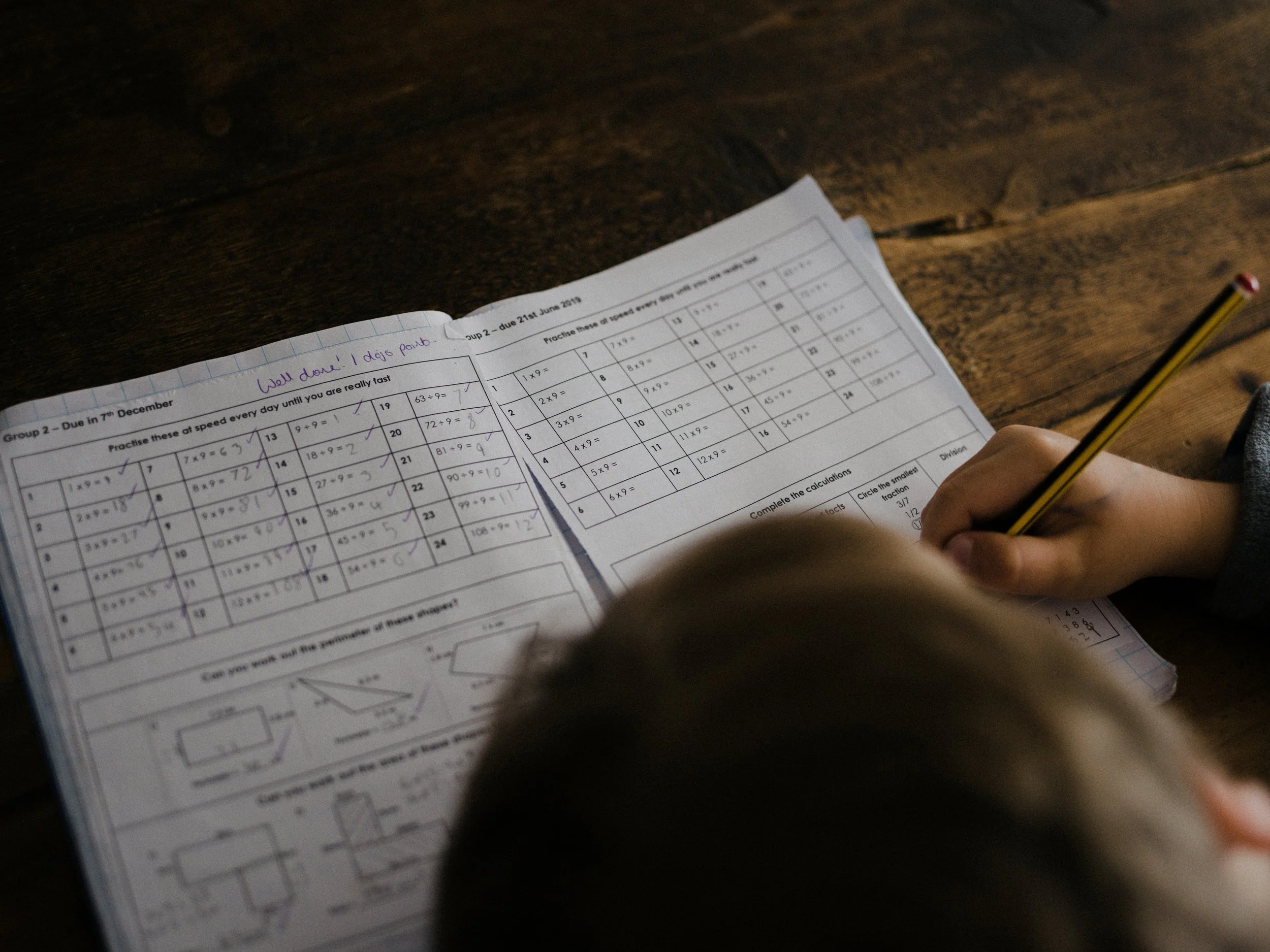
One of the most common concerns we hear from parents is some version of the following:
“My child keeps doing practice papers, but they are not improving.”
It is a reasonable concern, and it often leads parents to assume their child simply isn't putting in enough effort. In our experience, this is rarely the real explanation. More often, the child has been set preparation that doesn't match where they currently sit in their learning journey.
Months of well-intentioned but poorly targeted preparation can be avoided once parents understand that getting ready for the OC and Selective tests generally involves three separate phases. Each phase relies on the one before it, and most of the frustration families experience comes down to a child working on the wrong phase for their current level.
PHASE 1: BUILDING THE FUNDAMENTALS
The starting point is developing strong general literacy and numeracy ability, since everything else in OC and Selective preparation is built on top of this.
Take probability, for instance. A student who hasn't yet developed confidence with fractions, decimals and percentages will struggle with the more advanced probability problems that appear in these exams. The same logic applies to writing: a student needs dependable spelling and grammar before they can produce a compelling Selective-style response.
This phase has nothing to do with exam strategy. Its purpose is simply to make sure a child's general academic ability is sturdy enough to carry them through the more specialised work ahead.
One useful indicator that a child has worked through this phase is that they are managing well at school and generally find the curriculum manageable. If everyday schoolwork is still a source of real difficulty, that's usually where attention needs to go before moving on to exam-specific content.
PHASE 2: MASTERING THE SPECIFIC QUESTION FORMATS
This is the phase parents most often overlook, and it's responsible for a lot of confusion.
It's entirely possible for a child to be a strong student at school and still find the OC and Selective tests difficult, simply because these exams contain formats that classrooms don't typically cover. Collocation-based reading passages, logical and non-verbal reasoning puzzles in Thinking Skills, and applied mathematics problems are good examples of content students rarely encounter through ordinary schoolwork. Because of this, they need direct instruction in how to tackle them.
This is usually the reason behind the gap parents notice between a child's school report and their test results. It isn't a question of capability, it's simply that the child hasn't yet been shown the reasoning and strategies these particular formats call for.
A helpful sign that a child is moving through this phase is that, when working through homework set during their OC or Selective classes, they aren't stuck on a large share of the questions. Errors will still happen, but the child broadly grasps how each type of question should be tackled.
PHASE 3: PERFORMING UNDER EXAM CONDITIONS
By the final phase, a student has usually grasped the content and understands how to approach each question format. What remains is a different kind of challenge altogether: working through a full set of questions quickly and accurately, without the small errors that come from rushing.
This phase is less about knowledge and more about discipline under pressure, managing time, keeping concentration up over a long stretch, and cutting down on avoidable slip-ups. It's the gap between being able to solve a problem in isolation and being able to solve dozens of them, one after another, inside a ticking clock.
MATCHING THE PREPARATION TO THE PHASE
Once parents can identify these three phases, working out what their child genuinely needs becomes much simpler.
A child who hasn't yet nailed down the fundamentals won't benefit much from another stack of practice papers. Time is better spent shoring up their general literacy and numeracy skills first.
A child who is thriving at school but hasn't been taught the specific OC and Selective formats needs instruction focused on that theory, not simply more repetition of familiar problems.
A child who understands the theory but consistently runs short on time or drops marks to avoidable mistakes needs practice under timed, exam-like conditions, not another round of content-based lessons.
Giving a child preparation that doesn't suit their current phase is one of the most common reasons progress stalls, even when the child is working hard.
HOW ALPHA ONE STRUCTURES ITS PROGRAM
This is precisely why our OC and Selective pathway is built around these three phases:
Foundations, to strengthen the general literacy and numeracy skills the tests depend on. WEMT classes, to teach the specific question formats used in OC and Selective exams and how to approach them. Trial Tests, to build the pacing, accuracy and composure needed to perform under real exam conditions. Wherever your child is preparing, the principle stays the same: work out which phase they're genuinely in, and make sure their preparation reflects that. This is how practice time turns into measurable progress, rather than just more hours logged.
Not sure which phase your child is in? Enrol in our courses today!
Find out more about our WEMT or Trial Test programs for OC Test Preparation and Selective Test Preparation.